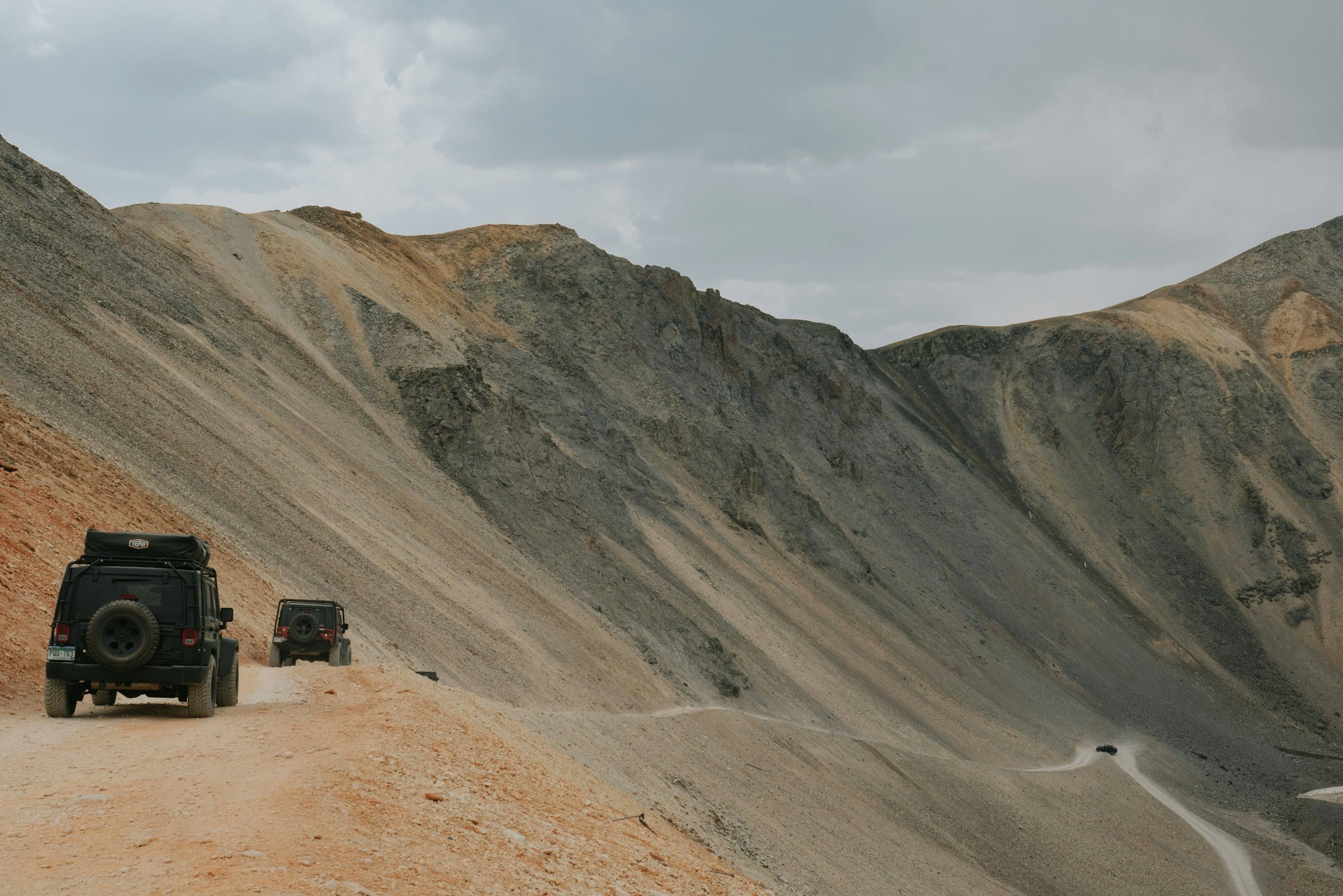
What a guide adds
A guide earns the fee in the places where the map runs out of detail. They know which wash flooded last week, which gate is locked, where the fuel is, and how long the hard section really takes with a group.
A guided trip usually brings
- 01Route knowledge and current conditions
- 02Permits and access already arranged
- 03Recovery skill and equipment
- 04A pace that suits the group
- 05The history and natural history of the place
How to choose a guide
Ask the questions a land manager would.
- 01Ask whether they hold the permits and insurance required to operate commercially on the land they use.
- 02Ask about group size and the minimum vehicle requirements.
- 03Ask what is included: meals, camping gear, communications, a support vehicle.
- 04Ask about first-aid training and the plan for emergencies.
What to tell a guide
Honesty about experience makes for a better trip.
- 01Your vehicle and what has been done to it
- 02Your experience off pavement
- 03Who is coming, including children and dogs
- 04Your dates, and what you most want to see
Questions people ask
Do I need a guide?
Not for most travel. A guide earns the fee on routes that are remote, technical or hard to get permits for, and on first trips where you would rather learn than guess.
Can I join a guided trip in my own vehicle?
That is how most overland guiding works. The guide leads in their vehicle, you drive yours, and the trip sets minimum requirements for the vehicles that come.