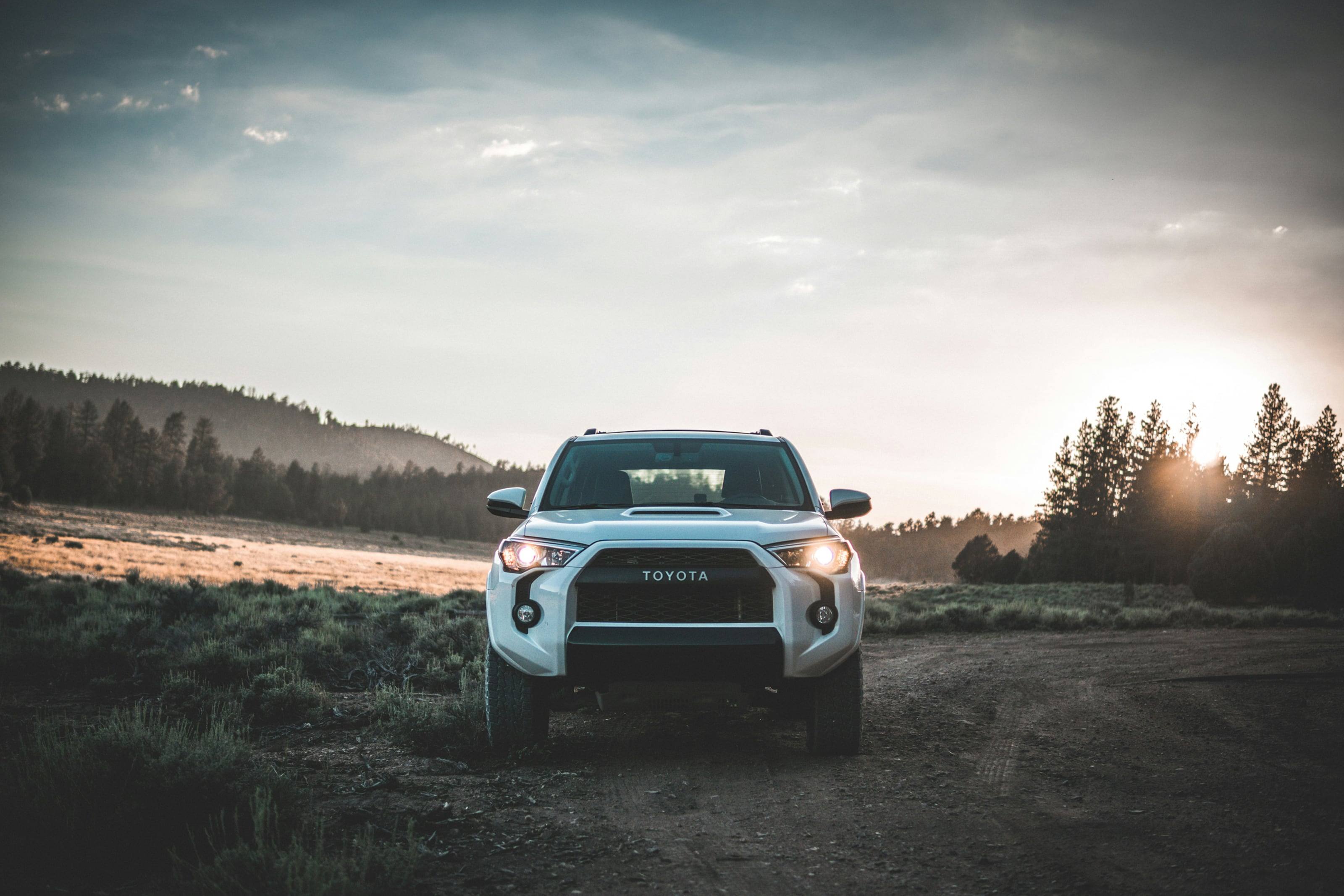
A 4x4 shop is where parts become a working vehicle. Most sell and install the major brands, and the better ones will talk you out of parts you do not need. For overland use, ask them to think about reliability and weight rather than looks.
Typical work
01Differential gears and lockers
02Armor: bumpers, sliders and skid plates
03Winch and recovery point installation
04Lift, wheels and tires
05Lighting, compressors and wired accessories
How to choose a 4x4 shop
Ask about the unglamorous work.
01Ask what they drive and where. Shops that travel build differently from shops that only show.
02Ask about differential work specifically if you need gears or lockers. Setting up gears is a skill, and a bad setup is loud and short-lived.
03Ask how they wire accessories: fused, relayed, loomed and labeled, or tapped into whatever was nearby.
04Ask about weight. Every part they sell you is weight you carry forever.
What to have ready before you ask for a quote
Start from the problem, not the part.
01Year, model and drivetrain
02Tire size and any lift
03What you want the vehicle to do that it cannot do now
04What is already installed
05A budget range
Questions people ask
Do I need lockers?
For most dirt-road travel, no. Good tires at the right pressure and careful driving go a long way, and many modern 4x4s have capable traction control. A rear locker becomes worth it when you regularly cross terrain where a wheel leaves the ground.
Winch or no winch?
If you travel alone, a winch is the one recovery tool that does not need a second vehicle. It also needs a bumper that can carry it, a battery that can feed it, and practice. If you always travel with others, traction boards and a rope may be enough.
What should I do first?
Tires, then recovery points and basic recovery gear, then whatever your first few trips tell you is missing. Trips are cheaper than parts and much better at showing you what you need.
Free build quotes
Looking for 4x4 shops? Tell us about the project and get free quotes.